Creating Seamless Transitions: Flooring Tips for Open-Concept Spaces Jun 09, 2026
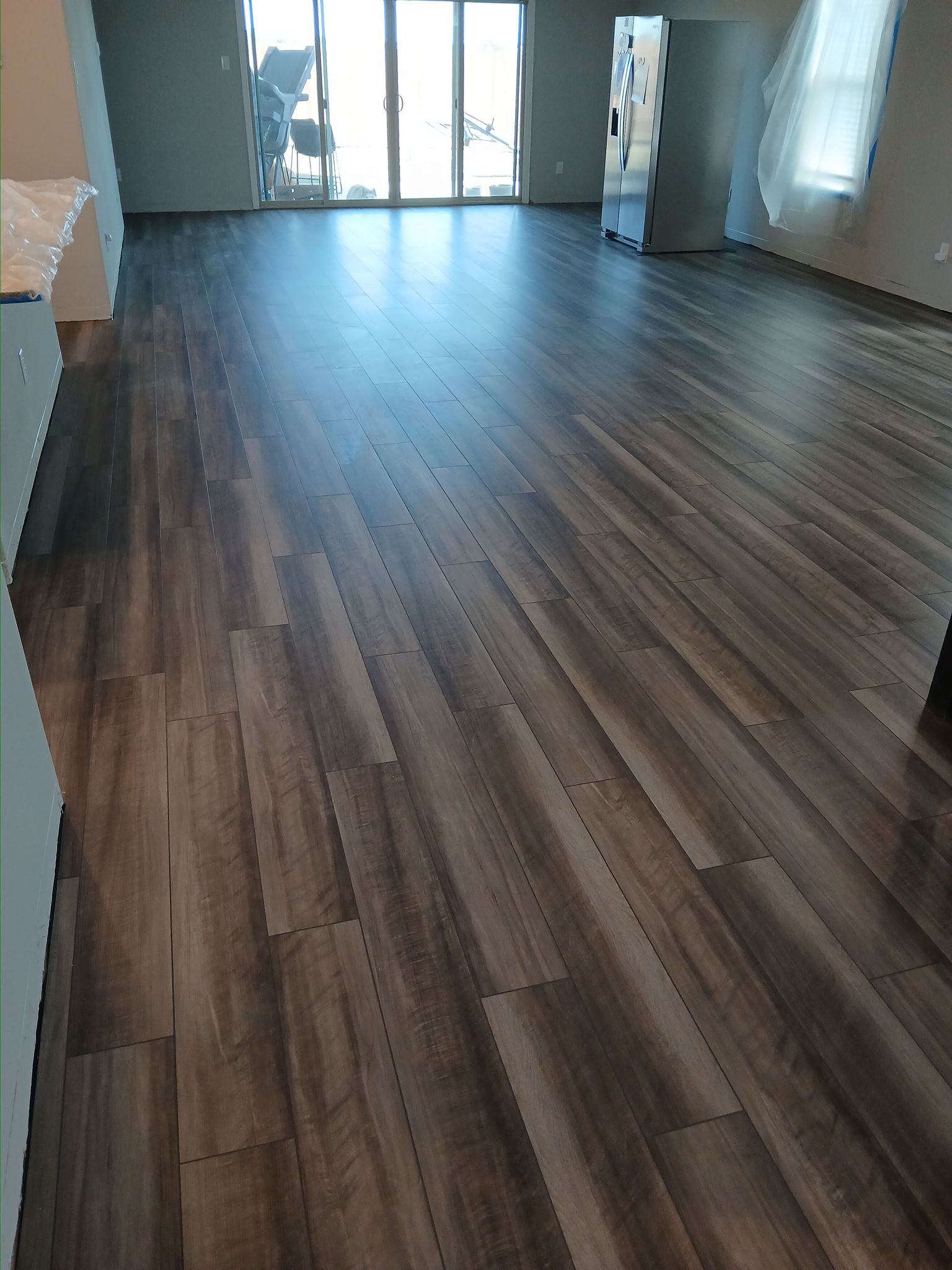
One of the first things to consider is how to maintain a sense of unity throughout the open space. While it can be tempting to use different materials in various areas, consistency in flooring can enhance the flow and make the space feel larger. Opt for a single type of flooring, such as hardwood or luxury vinyl, that can withstand traffic and provide a consistent look.
However, diversity can be important when delineating specific areas, like kitchens and living rooms, without using walls. Area rugs are an excellent choice for defining spaces within an open concept while maintaining the natural flow. They add visual interest and can serve as focal points, creating cozy and inviting areas. Choose rugs that complement your flooring and consider their durability, especially in high-traffic areas.
Color is another crucial factor in creating seamless transitions. Choosing complementary hues for your flooring aids in harmonizing different sections of an open floor plan. Light-colored floors can make a space feel more expansive and are perfect for modern, minimalist designs. On the other hand, darker tones add warmth and elegance. At Tony Flooring Designs, we recommend hues that reflect natural light to enhance the openness of the space.
Texture can also play a vital role in the design. Mixing textures is a subtle, sophisticated way to add layers to your space without disrupting its flow. Consider pairing smooth hardwood with a textured carpet or incorporating stone tiles in the foyer area. These variations can create interest and depth, guiding the visual journey through your home.
When transitioning between slightly different flooring materials, like wood to tile, consider using transition strips. These strips are practical tools that provide a seamless connection between different flooring types and ensure safety by preventing tripping. Our experts at Tony Flooring Designs can help you choose the best type for your needs, such as T-molding or bullnose strips, that match the tone and finish of your floors.
In open-concept spaces, consider the acoustics impacted by your flooring choice. Hard surfaces can sometimes lead to unwanted echoes. We've worked with many clients to incorporate acoustic underlayments that absorb sound without sacrificing style, ensuring both form and function.
Ultimately, the goal is to have the flooring complement the style and purpose of each area while maintaining coherence throughout. Carefully planned flooring decisions can transform an open-concept space from simply functional to beautifully harmonious. By implementing these tips, you're not just adding floors; you're crafting experience and ambiance in your home.
We understand that designing an open-concept space is a significant undertaking, and our team at Tony Flooring Designs is here to support you every step of the way. Whether you need help selecting materials or want professional installation advice, contact us today to start your journey toward the perfect flooring solution.
/filters:no_upscale()/filters:format(webp)/media/50743b03-7122-446f-b583-d5a1a8222231.jpeg)